This election feels different to me. Not just because of the political landscape, my concerns about our country’s future, or what it all means for our democracy and our children. It feels different because, for the first time, I am voting with my teen.
When my son turned 18, I made sure he registered to vote. In fact, I had it on our checklist of things to do when you turn 18. It was a milestone that felt bigger than the task itself.
I’ll admit that the last presidential election shocked me and left me with a level of fear and anxiety I hadn’t experienced in my lifetime. As someone who spent more than 20 years working for the federal government, including supporting our military and national defense, I’ve been reeling ever since that day. It’s been deeply painful to watch so much of what I believed in and worked toward feel suddenly diminished, leaving me questioning what it all means for the country I devoted so much of my career to serving. Beyond the personal impact, I continue to worry about the daily effects on my friends, family, and neighbors, many of whom still work in federal service.
As a parent, I’ve spent years teaching my kids how to navigate the world, encouraging them to be independent and thoughtful, helping them understand and develop their morals and beliefs, and reminding them to speak up for themselves. I’ve also tried to help them understand that their choices matter. Registering to vote was another step toward adulthood and a chance to remind my son that he has a voice in shaping the world he will inherit, regardless of the state of our country today.
This year, as I am voting with my teen, we are also preparing together, and I am reminded how important it is not to take this right for granted.
Remember: voting starts long before Election Day.
Voting starts with understanding what it truly means to cast a vote, why it matters, and how to make an informed decision.
As parents, we can help our kids understand that their responsibility isn’t simply to show up and pick a name. It’s to understand what they’re voting for and recognize that they’re helping shape their own future.
And that means thinking for themselves, not blindly following their parents or their peers into the voting booth.
It means doing a little homework. Not just relying solely on the news, social media, or the endless stream of political ads on television either. Figuring out where they can find reliable information beyond a campaign slogan or a thirty-second ad. Learning how to fact-check. Identifying the issues they care about, whether education, environment, economy, school costs, healthcare, or something else entirely. Research the candidates. Read their platforms.
Look at each candidate’s records and what they’ve actually proposed. We hear a lot about what candidates want to do. I want to know how.
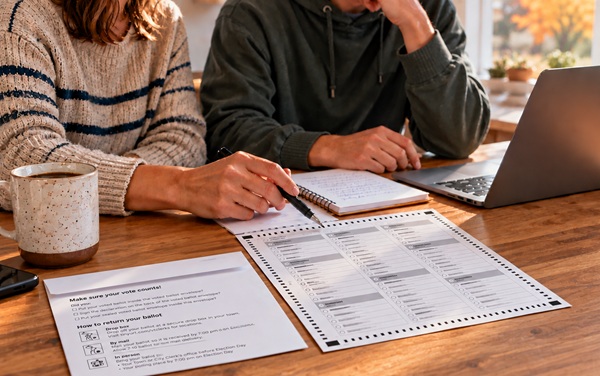
What are their concrete, step-by-step plans? What would it take to make those promises happen? I tell my kids that if a candidate behaves like a bully or shows the kind of character you wouldn’t want in a classmate, colleague, or leader, think carefully about whether you want them making decisions that affect your life. Qualifications and policies matter, but so does character. The person you choose to represent you should also reflect the values you believe matter, so choose carefully.
We don’t have to agree with everyone, and we won’t all prioritize the same things. That’s part of democracy. But we should make an effort to understand the choices in front of us and make our own decisions thoughtfully. I believe in evaluating each candidate, their policies, and their record rather than voting for someone simply because of their party. When you go to the polls to vote with your teen, talk about how you evaluate candidates, but give them space to reach their own conclusions.
I will be voting with my teen, but I will make sure he is voting his thoughts and beliefs, not mine.
And then, of course, we have to show up.
Voting can come with frustrations. Rules and procedures change, mail-in voting can raise questions, and getting to the polls may take time. It’s easy to get discouraged or decide that one vote won’t make a difference. And when your teen (if they are like mine) would rather sleep in, play games with friends, or finish homework, it’s easy to find an excuse to stay home.
Don’t let confusion, inconvenience, or frustration keep them from voting. Check your state’s official election information, ask questions, make a plan, and follow through. Figure out what works best for you and your family, and make participating a priority, whether that means securing a mail-in ballot or setting aside time to drive to the polls on Election Day based on your schedules.
I think it’s especially important right now to foster an understanding of the need for, and the right to, vote in our children. They’re growing up in an uncertain world. They worry about grades, school, career choices, civil rights, and future job opportunities. Unfortunately, the current political and cultural climate can add to that anxiety.
Voting won’t solve every problem, and we can’t promise our kids that every election will bring the outcome they want. But we can help them understand they have a voice, their participation matters, and the future isn’t set in stone. At 18, they gain the opportunity to begin helping shape it, so they should make sure to take advantage of that right.
Personally, I can’t remember another election in my lifetime that has felt so important to my future and to the future of my children. I worry about the direction this country is heading and what this election means for the democratic institutions and freedoms we have often taken for granted. I know I can’t control every outcome, but I will make sure I participate.
This year, I get to share that experience with my son.
That feels pretty special. It’s a chance to model something I hope he carries with him throughout his life: having a voice is a privilege, using it matters, and democracy works best when we all take part.
So register. Get informed. Ask questions. Talk with your kids. And make a plan to vote.
Our children are watching how we participate in the world we’re leaving them. I want mine to know that I didn’t just hope for a better future for them. I didn’t just complain on social media or yell at the TV over the latest crisis. I showed up, made my voice heard, and did my part to help shape a better path forward.
This year, I’ll be voting with my teen for the first time. No matter how old your children are, talk with them about elections, participation, and the power of their vote. Let’s help them understand that their voices and votes matter, and show them what it looks like to use them.
Can’t wait to see you at the polls. Look for me and my son, because I will be voting with my teen!
Pin this post and be sure to follow Vermont Moms on Pinterest!