Most parents spend a lot of time teaching their teens how to master life’s basics: how to drive, manage their schedules, apply to college, and eventually live on their own.
But there’s one life skill that often gets overlooked: Building good credit. The steps to build credit with your teen are not particularly complex, but they are extremely important.
In the past few weeks, I happened to talk with a friend and a family member, one in their 40s and the other in their late 20s; neither could get a loan despite having good incomes and no debt. Both were shocked to find they had few to no reasonable options and faced massive interest rates. I was shocked they did not know why they were in this position!
The problem? They had no credit history.
They had done what we often tell kids to do: save money, avoid debt, and only buy what you can afford. Those are good habits, but if you follow them, there’s still an important piece missing. At some point, you also need to demonstrate that you can responsibly manage money you borrow.

Credit can affect everything from apartment applications and car loans to insurance costs, future mortgage approvals, and even job applications. Yet many young adults leave home without really understanding how it works.
I started teaching my kids about money and credit when they were little, and they began their credit path at 13; it was the earliest age we could really start, aside from at home with a piggy bank. Teaching how to build credit with your teen can start at 13 or at any age; the important thing is that it starts.
Here’s what worked for me.
1. Teach Credit Before They Need It
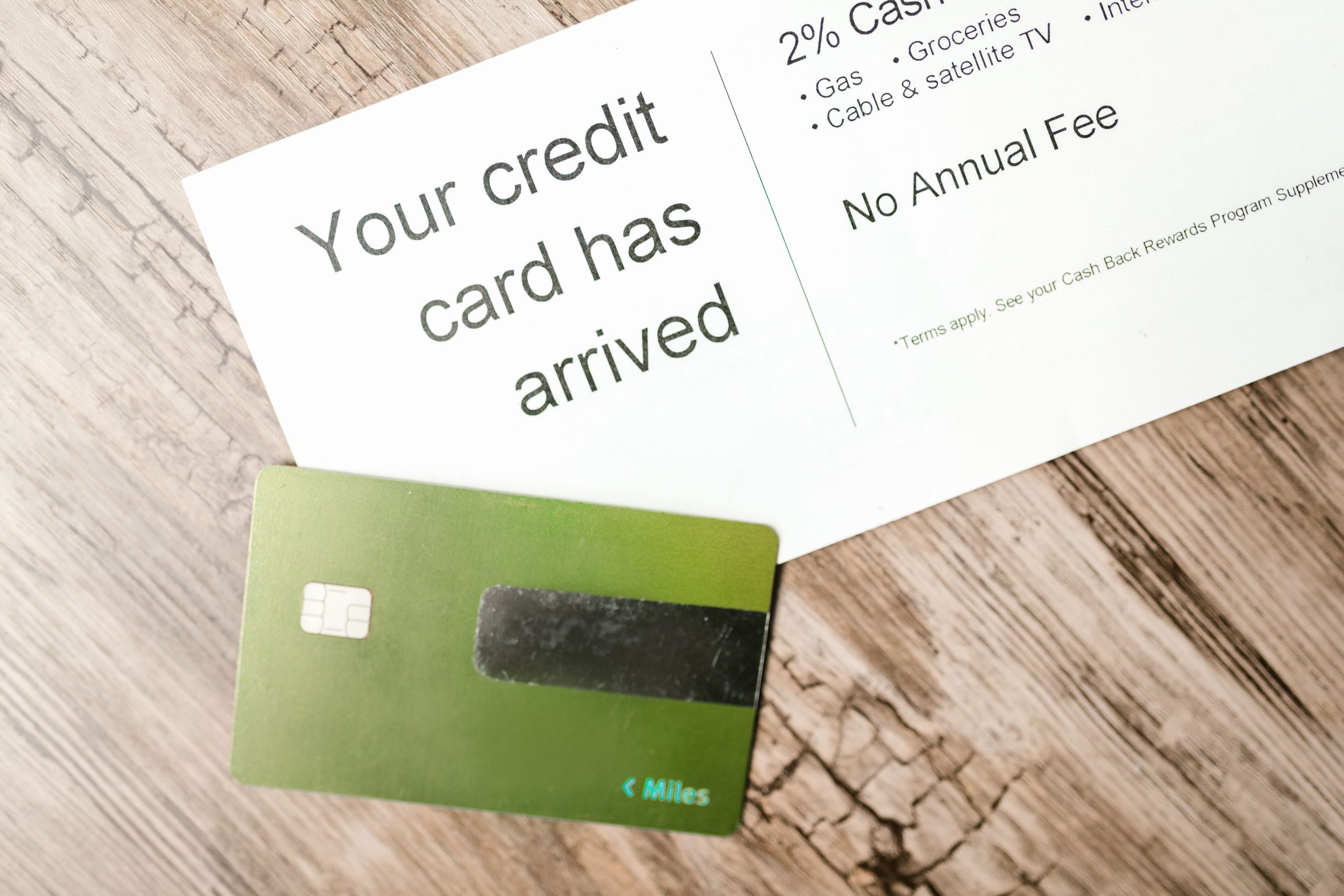
Usually, when teens turn 18, credit card offers start arriving, along with the assumption that they must have a credit card. But they often haven’t learned what that means or how to manage a credit card.
When my kids were younger, I started with the basics.
We talked about:
- What is a credit score?
- What’s the difference between debit and credit cards?
- How do fees and interest work?
- What happens when you carry a balance?
- How can a missed payment affect you?
- When does borrowing money make sense?
I added to these explanations by discussing examples of debt and personal experiences from my past and then reinforcing them when new things came up. For instance, we applied for a credit card at Home Depot to be able to buy our kitchen cabinets at 0% interest for a year and then divided the payments over the 12-month period and were sure to pay it off. We built credit and took advantage of the 0% interest offer at the same time.
Before introducing my kids to having credit, I wanted them to understand what it feels like to spend money they had actually earned and saved. After all, they had only ever seen me charge things to this magic card when we were shopping and had no idea how costs compared to hours worked.
When they were young, I often had my kids save for special purchases and then physically hand over their money at the store. There’s something about personally watching your money disappear that a credit card just can’t quite teach you. I remember counting coins at the checkout – I don’t think the cashier loved the experience, but the kids learned a valuable lesson. So much of finance is intangible that when there is an opportunity to actually handle a transaction, I recommend doing that.

The rule I reinforced as they watched me using credit was simply: credit is a tool, not extra money. If you can’t afford something, putting it on a credit card won’t make it affordable, and credit can, in fact, cost much more in the end.
2. Check and Protect Their Credit
Learning to build credit with your teen is an important step. But credit isn’t just something to build. It’s something to protect.
Children are vulnerable to identity theft because parents typically don’t think to check their credit history. Before your child needs credit, it’s worth checking with the credit bureaus and considering a credit freeze for protection.
Just as I walked my kids through searching for themselves on the internet to understand their digital footprint, I also walked them through what credit history is, what it means, identity theft, and how to understand their own credit history.
Once your kids are old enough to use credit, teach them how to check their credit report and monitor their own credit score; many banks and credit card companies offer this service for free, and running a free credit report twice a year is also a key part of good tracking.
In our house, I treat a credit score like a new kind of report card. After all, the kids were taught to track their grades throughout school; Credit is a lifelong grade they will carry with them, so they should monitor and understand it.
My son actually started paying attention to small changes in his score through his credit card app and then asking why they happened. Recently, he applied for a student loan and noticed his score went down. Instead of telling him not to worry about it, we used it as a teaching opportunity to talk about how credit inquiries work and why shopping for a loan should be done thoughtfully.
He didn’t know, and I never thought to tell him that the more agencies check your credit, the worse your score becomes. When you are shopping for a loan, don’t go to three lenders and let them all run your credit; just do the research and pick the best one, or you might end up with a worse rate because you shopped around the wrong way.
3. Give Them a Safe Way to Practice
Credit responsibility starts with basic money management.
When my kids turned 13, we opened their own bank accounts through our credit union, with them as the primary account holders and me listed as the secondary. This gave them a way to manage their own spending while I still had oversight. Before that, I had secondary savings for each of them, but they were all in just my name.
I also set up a small monthly automatic deposit as their allowance so they could decide when to spend it and when to save it, instead of always asking me to buy things for them. They could also put money they received as gifts in their accounts and then splurge when they wanted to without dealing with my judgment about the purchase (do you really need another T-shirt?)
Then we went to another bank and got them their own credit card; we used a Capital One teen account, but there are a few banks that allow teen accounts if you check around.
By connecting the two accounts, we could transfer money when they wanted to buy items, and they could use their credit card when they were out without having a direct card that connected to their savings. If they ever lost their credit card, a worry at that age, they did not have to be concerned that someone could steal money directly from their savings account, as could happen with a debit card, which is much harder to recover.
Those accounts gave them a chance to practice:
- Budgeting
- Saving
- Monitoring an account
- Using a debit card
- Understanding spending limits
- Taking responsibility for their own purchases
They could make decisions and mistakes while the stakes were still relatively low, and I could help them learn as they went, an important step when you want to build credit with your teen.
4. Let Them Earn Their Own Money
Financial lessons become much more meaningful when the money actually belongs to them.
Summer jobs, babysitting, tutoring, pet sitting, farm work, or even a running a small business can teach lessons that an allowance, even if it comes with chores attached, can’t.
In our house, we started with money for various chores, but as they grew, the kids knew they needed to have a job by 16 to help pay for things like their car insurance and gas. We helped with their first car purchases, but we also wanted them to understand that owning a car comes with ongoing expenses they would need to cover.
I’ve had plenty of conversations with parents who think making kids pay bills is too much.
I disagree.
Kids don’t need to carry an adult’s financial burden, but they do need to experience what it feels like to have financial responsibilities to set them up for being an adult themselves.
And if you don’t actually need the money, there’s another option: have them pay you for the bill and quietly put that money into savings for them. Later, you can give it back when they need it for college, an apartment, or another major expense. What a great surprise to give your kid!
The important part is that they learn the habit of earning and managing their own money.
5. At 18, Establish their Credit
Once they’re 18, have them start taking ownership of their own credit.
We had a checklist when my son turned 18. It was long, but one of the most important items was finances: opening his own bank account, moving his savings to it, and applying for a good credit card. He chose to keep me as a secondary on the account so I could still help him manage his money, but everything was in his name so he could learn to manage it himself.
We set up a high-yield checking and savings account to earn additional interest. I like Wealthfront Bank because they not only pay high interest; they pay it on both checking and savings, so you do not have to move money around to earn interest, and they offer various other accounts.
Then we moved his direct deposit, and he went through incoming credit card offers to find a rewards credit card, so there was an added benefit to using it.
Next, we talked more about credit utilization. Even though he had the credit card, he never wanted to use it – which was not helping him build credit. You have to show a balance and pay it off if you want to build good credit. We agreed that he would at least put gas on his card to carry a low balance and pay it off monthly.
We made sure to set up auto payments to avoid being charged a late fee, and to discuss what not paying the entire balance each month would mean in terms of costs and penalties that could occur if he went over his spending limit. We also talked about how automatic payments could cause bank overdrafts if he did not monitor his spending.
One big mistake to avoid is thinking that carrying a balance (not paying off your debt monthly) helps build credit. It doesn’t. The goal is to demonstrate that you can use credit responsibly and pay what you owe, not that you can accumulate debt.
All of this really comes down to teaching your kids one simple rule: Use your credit card, but don’t put anything on it that you can’t afford to pay off that month.
Finally, if you can afford it, consider longer-term saving. We set up a Roth IRA. Many banks have low starting amounts, like Fidelity youth accounts, but we used Wealthfront as well to keep all of his finances in one place.
At first, he was not happy that we took part of his savings for this, but in 30 years, he will be more than happy with the outcome of his small initial investment. If he saved $1000 at age 18 in a Roth IRA, he could expect to have around $50,000 at age 60. This process introduced him to the concepts of saving for the future, investing, and long-term planning. And since his Roth IRA is tied to his bank account, he can track it and add to it when he is able. The other great thing is that I can use it as a gift mechanism: instead of buying more stuff he doesn’t need, I can put a little money into his IRA as a gift!
The End Goal
Building credit is important, but also remember that the credit score isn’t the end goal.
The goal is responsible and smart financial behavior.
A strong credit score is the byproduct of habits like paying bills on time, keeping spending under control, saving consistently, understanding debt, and making thoughtful financial decisions.
You don’t need to raise a financial expert.
You need to raise someone who understands that money is a responsibility, credit is a tool, and good habits today create opportunities tomorrow.
Follow these 5 steps to build credit with your teen and help your child take the next steps as they leave home by building strong financial habits. It is one of the most important lessons you will teach them.
And that’s a lesson that can pay dividends for a lifetime. Imagine if someone had done the same for you at their age!
Pin this post and be sure to follow Vermont Moms on Pinterest!