There are periods when the news cycle feels overwhelming, chaotic, and sometimes beyond discouraging. This is one of them!
As parents of teens, we face a difficult challenge: how do we help our kids understand what is happening in the world without letting it crush their optimism for the future? Talking to teens about the news is more important than ever.
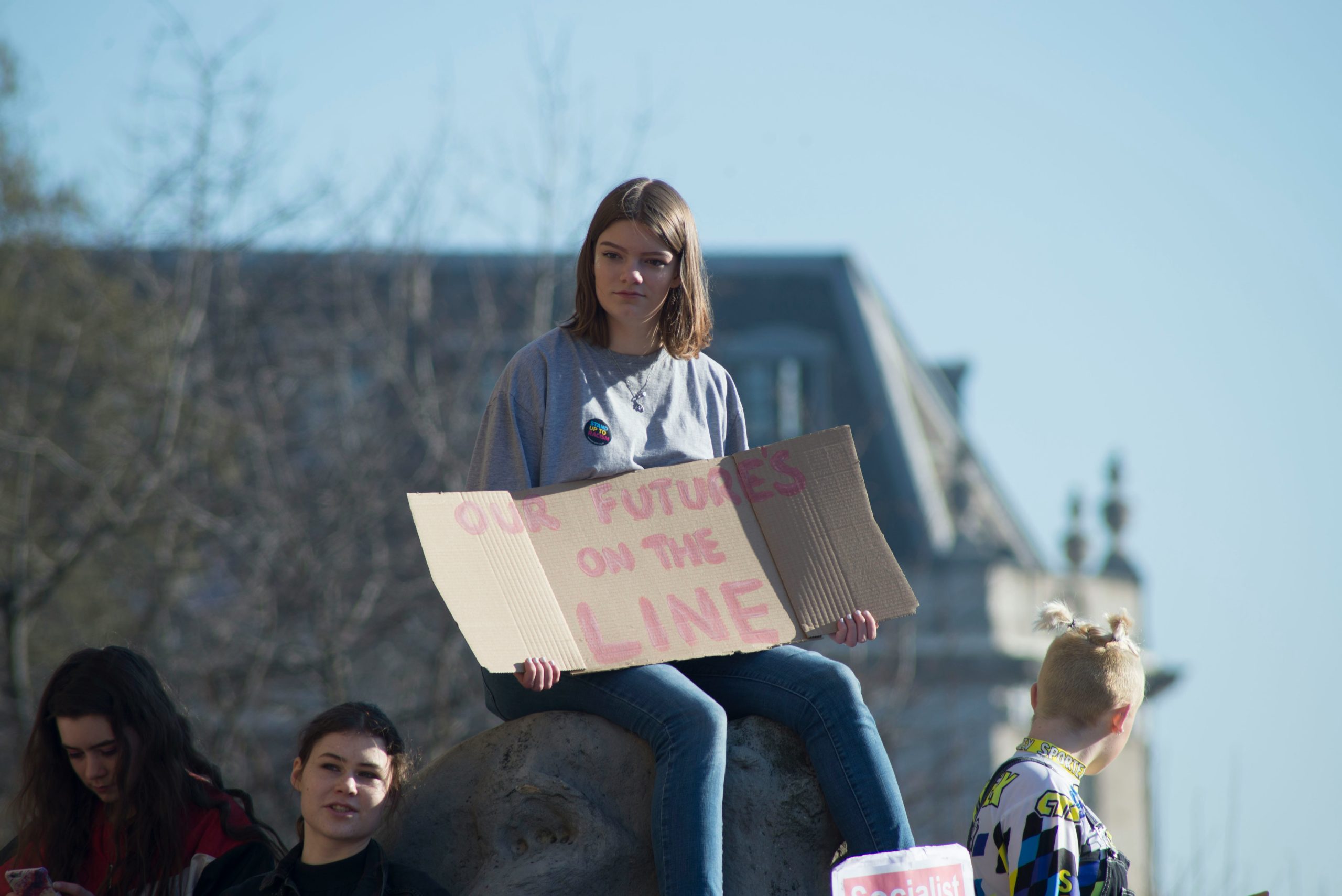
We navigate history as it is made, 24/7, in real time. How can parents absorb and process what is happening and help our kids understand at the same time?
Our teens are old enough to see the headlines, hear the arguments, and notice when adults around them are anxious or frustrated. I know my kids notice my reactions immediately. Ignoring current events is tempting, but that doesn’t work. But immersing my kids in every scandal, outrage, and political fight isn’t healthy either.
The current news cycle has me worried, frustrated, scared, disappointed, angry – and everything in between. I have always talked openly with my kids about current events, but with the evolving chaos, I find myself not knowing what to say. These days, between Epstein, shootings, hate, hypocrisy, bigotry, war, etc, etc, etc it’s just too much.
So what are parents supposed to do?
As a parent of two teenagers, this is not a theoretical question for me. I worry about the anxiety news can trigger in my kids, and I worry about making sure my kids know enough about the world around them. My goal isn’t to raise kids who are mini news pundits, or ones who agree with me on everything; it never has been. My goal has always been to raise kids who are thoughtful, ethical, and courageous enough to participate in the world around them. These teens will be voting soon, and they need to be aware of reality and misinformation.
Here are a few things I’ve been trying to focus on as I help guide my teens and myself through these complicated times. Talking to teens about the news is definitely more complex than it used to be, but I have to think that teaching them how to process and understand the news will help them stay informed and reduce the fear of the unknown.
1. Teach principles, not reactions.
The news often focuses on individuals and scandals. Flashy headlines sell. But what matters most for our kids are the underlying principles.
When difficult stories appear in the news about things like abuse of power, injustice, or people in leadership positions behaving badly without even being questioned, I try to shift the conversation from the drama to the truth and values. Instead of just talking about what happened, we focus on what should have happened and how we should have higher expectations, even when others do not. I might start by discussing the basic framework of what happened.
Then, I ask them questions and get their opinions on topics like:
- Why accountability matters
- Why power requires responsibility
- Why respect and consent are non-negotiable
- Why character matters even when people think no one is watching
While my son and daughter get the same basic messaging, there are some differences in what I tell them due to their age and gender. For my son, that means reinforcing something simple: real strength is never about intimidation or cruelty. Leadership is about responsibility, integrity, and standing up for those who cannot stand up for themselves.
For my daughter, it means reminding her that no person’s power or status makes harmful behavior acceptable, and that her voice and boundaries matter. Always speak up, always push back on what is wrong, and don’t let intimidation silence you.
2. Remind them that history is bigger than this single and specific moment we are in.
Every generation believes it is living through uniquely chaotic times. But when you zoom out and gain perspective, history tells a different story. Our country has faced civil wars, corruption scandals, economic collapses, social upheaval, and deep political divisions. None of those moments defined the entire future.
Maybe we have not learned from our mistakes, but we can hope and grow no matter what is happening around us, even when that growth seems to be moving backwards for a time.
What sustained the country through challenging times wasn’t perfect leaders. It was dedicated citizens. It was the people who voted, spoke up, organized, demanded better, and pushed institutions to improve.
Democracy has always been messy and is often hard. But it has also been resilient.
It’s important for our kids to remember, as they are preparing for their future, that today’s turmoil does not determine tomorrow’s possibilities. Optimism about the future is powerful; remind them of that when you are talking to teens about the news.

3. Encourage their voice without letting the noise consume them.
Teenagers today have access to more information than any generation before them. The upside is awareness. The downside is overload, anxiety, and failing to determine which information sources are credible.
We all know that phones, computers, and TV are omnipresent and almost uncontrollable, but the answer isn’t removal; it is discussion.
One thing I’m trying to teach my kids is that being informed does not mean being constantly plugged into outrage. Find the fun. Stay informed. But know your limits. It’s okay to follow the news, discuss big issues, and care deeply about justice and fairness as long as you stay in control of your news consumption and outrage for your own well-being.
It’s essential to log off, go outside (as the kids say, “touch grass”), focus on school, friendships, creativity, and the many parts of life that make the world worth improving. There are beautiful people all around us with messages of kindness, generosity, and thoughtfulness. Celebrate those people and yourself!
Engagement with local, national, and world news should empower our kids and not exhaust them. The same goes for us.
4. Model the kind of citizenship we want them to practice
Kids learn less from our speeches and more from our behavior. “Do as I say, not as I do” has never worked well for any parent. They are always watching and listening, which we all probably experienced when they were learning to speak, and accidentally employed a particularly emphatic curse word! Be the person you want them to become.
If we want them to believe in respectful debate
If we want our kids to stand up to bullying, we need to model courage and support for others. We need to support those who need help, even if it is simply through our words. Compassion means a lot more than just “being nice.”
If we want them to believe democracy matters, we need to participate in democracy by voting, volunteering, supporting community efforts, helping neighbors, and speaking respectfully about people we disagree with. Our actions teach quiet but powerful lessons.
5. Give them hope grounded in reality
Hope isn’t pretending that everything is fine. It’s believing that progress is possible. And history gives us plenty of reasons to believe that.
I’ll admit that hope is something I am struggling with right now. My belief that we are evolving as a society and getting better falters when I turn on the news to see the latest event that I never imagined possible. Every day feels more unprecedented than the last.
When I think about the hope my kids need to be optimistic about the future, there are times when I’m not sure where to begin to find it for myself or for them.
I try to turn to the past. History has never been a straight line; it moves forward, and it moves back. And while right now seems like a huge step back, I believe we will move forward again as long as people keep pushing, speaking out, and ensuring we become better.
Our kids will be part of writing the next chapters of this story. Talking to teens about the news will help them ensure that we don’t endlessly repeat the past.
6. They will be strong, they will make their voices heard, and they will keep us from falling into chaos.
At the end of the day, I remind myself that my kids don’t need to inherit my cynicism. They only need to inherit determination, faith in good people, and the ability to make things better. Talking to teens about the news now will inform them for now and for the future.
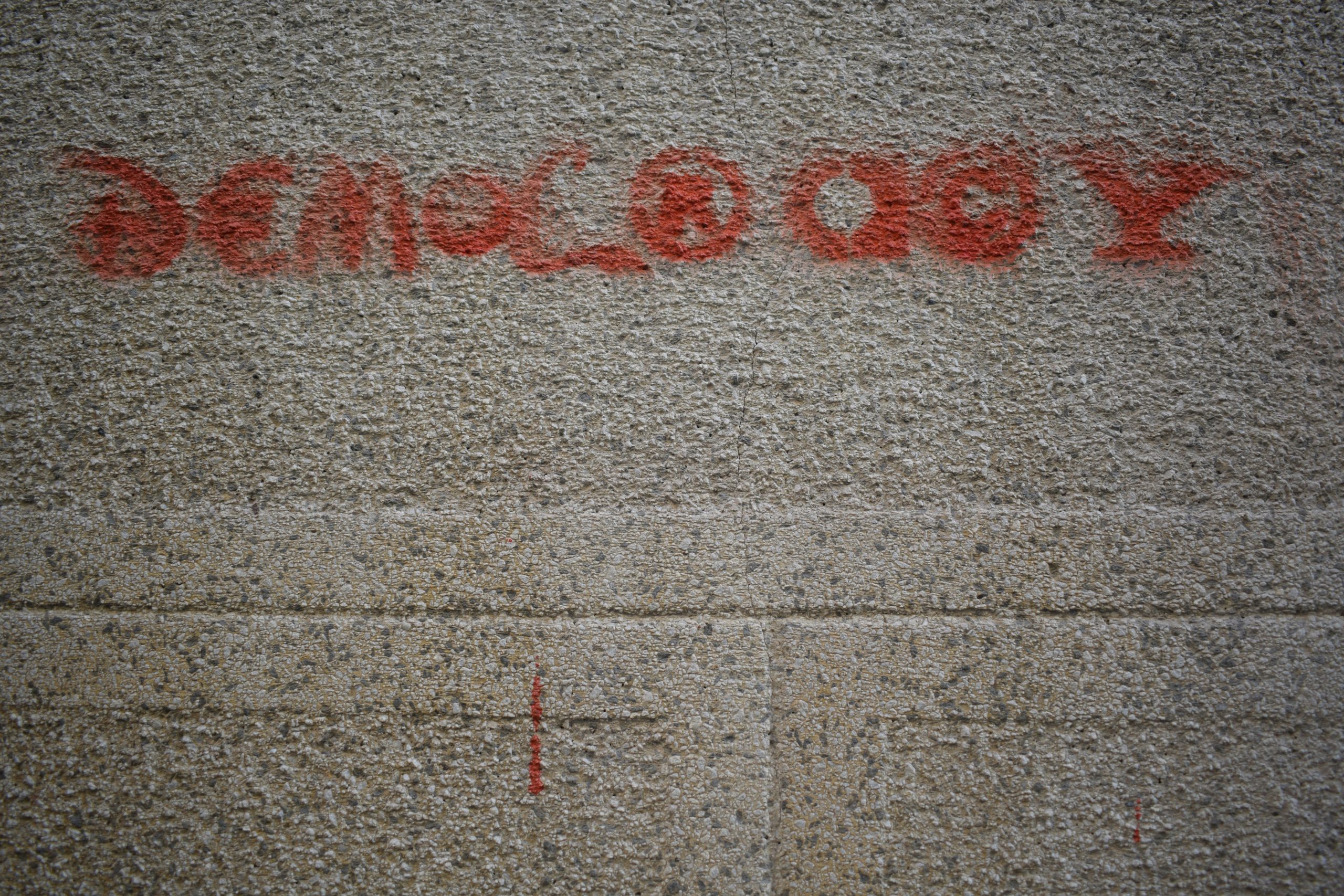
In our house, the message I keep repeating to myself and my kids is the same one that I have taught them since they were very small: pay attention, stand up for what’s right, treat people with dignity, use your voice, and never lose sight of the bigger picture.
The world has always needed thoughtful, ethical, engaged people. There are more of them out there than the current headlines might suggest, and our job as parents is to raise more of them.
If we can stay optimistic and do that well, the future will be in very good hands. Keep reminding them of that everyday even if it gets worse – because it will get better!
Pin this post and be sure to follow Vermont Moms on Pinterest!

Vermont Moms Insiders get exclusive content, so sign up today!